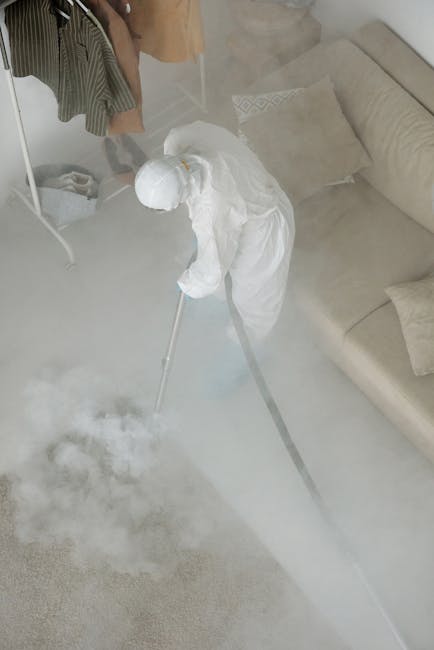
Sofa cleaning Rayners Lane sofa odour and stain removal
If your sofa has started to smell a little musty, carry traces of pet odour, or show one too many tea, wine, or dinner-night mishaps, you are not alone. Sofa cleaning Rayners Lane sofa odour and stain removal is one of those jobs that looks simple until you actually sit down and notice the problem every single evening. The good news? Most odours and stains can be improved a lot with the right approach, and in many cases restored far better than people expect.
This guide walks you through what causes sofa smells, how stain removal works on different fabrics, what professional cleaning usually involves, and the mistakes that make things worse. It is written for real homes in Rayners Lane: busy family rooms, rented flats, pet-friendly lounges, and sofas that have simply had a bit of life happen to them. Truth be told, that is most sofas.
For readers also thinking about broader home upkeep, services such as sofa cleaning, upholstery cleaning, and even deep cleaning often fit into the same practical plan. The aim is not just to make fabric look cleaner for a day, but to remove the source of odour and reduce the chance of stains setting permanently.
Table of Contents
- Why Sofa cleaning Rayners Lane sofa odour and stain removal Matters
- How Sofa cleaning Rayners Lane sofa odour and stain removal Works
- Key Benefits and Practical Advantages
- Who This Is For and When It Makes Sense
- Step-by-Step Guidance
- Expert Tips for Better Results
- Common Mistakes to Avoid
- Tools, Resources and Recommendations
- Law, Compliance, Standards, or Best Practice
- Options, Methods, or Comparison Table
- Case Study or Real-World Example
- Practical Checklist
- Conclusion
- Frequently Asked Questions
Why Sofa cleaning Rayners Lane sofa odour and stain removal Matters
A sofa is usually the hardest-working soft furnishing in the house. It absorbs body oils, dust, crumbs, pet dander, spilled drinks, tracked-in dirt, and sometimes the kind of smell that slowly creeps in so gradually you stop noticing it. Then a guest sits down and, well, the room tells the truth for you.
Odour and staining matter for more than appearance. A lingering smell often means something has penetrated into the fabric, padding, or even the base layers of the sofa. That can happen with food spills, milk, sweat, dampness, urine from pets, or smoke residue. Surface spray may mask the issue for an afternoon, but it rarely solves it properly.
Stains deserve the same respect. Once a liquid dries, it can bond with fibres, leave a visible mark, or create a ring where the spill spread outward. The quicker the issue is handled, the better the chances of recovering the fabric without over-wetting or damaging it. That is especially important with delicate upholstery, where heavy-handed cleaning can leave water marks, crushed fibres, or dye transfer.
In a Rayners Lane home, sofas often work extra hard. Family living rooms, shared houses, and rented properties all tend to see more daily use than people imagine. Add in winter damp, closed windows, and pet blankets, and you have a perfect recipe for stale upholstery. A proper clean brings the room back to life in a way that is surprisingly noticeable. You can smell it before you even see it.
Expert summary: odour control and stain removal are connected, not separate jobs. If you only treat the visible mark, the smell may remain. If you only perfume the fabric, the stain and source are still there.
How Sofa cleaning Rayners Lane sofa odour and stain removal Works
Effective sofa cleaning starts with identifying the fabric and the type of contamination. That sounds obvious, but it is where many DIY attempts go wrong. A cotton blend, velvet, linen, microfibre, leather, and synthetic upholstery all respond differently to moisture, agitation, and cleaning products.
The basic process usually follows a few stages:
- Inspection - checking the material, stain type, colour fastness, and any care labels.
- Dry soil removal - vacuuming crumbs, dust, pet hair, and loose debris from seams and cushions.
- Targeted pre-treatment - applying a suitable solution to stains and odour sources.
- Controlled cleaning - using low-moisture or extraction techniques depending on the fabric.
- Odour neutralisation - treating the source rather than just masking the smell.
- Rinsing or residue removal - reducing sticky detergent build-up that can attract new dirt.
- Drying - allowing airflow so the sofa dries properly and safely.
Odour removal is usually more chemical and mechanical than people think. Smells cling because the source has remained in the fibres. Food proteins, urine salts, sweat residues, or smoke particles can all linger even after a quick clean. A good treatment breaks down or lifts those residues instead of covering them with fragrance. That matters a lot, especially in warmer rooms where odours come back once the sofa heats up slightly.
For stain removal, the order of operations is everything. Blotting, identifying, and treating the correct stain type can make the difference between a light mark and a permanent shadow. Wine, coffee, ink, grease, makeup, and pet accidents all behave differently. There is no one magic bottle, annoying as that is.
Professional upholstery work also tends to include drying control. A sofa that stays damp too long can develop a sour smell, and that is the last thing anyone wants after paying to remove odour. The cleaning approach should fit the fabric and the room conditions, not the other way around.
Key Benefits and Practical Advantages
There is a reason people notice a clean sofa so quickly. It changes the feel of the whole room. The benefits are practical, but also oddly satisfying in a very ordinary, domestic way.
- Odour removal that lasts longer because the source is treated, not just hidden.
- Better stain recovery for fresh marks and lightly set-in stains.
- Improved indoor freshness in rooms that feel closed-in or stale.
- Less allergen build-up from dust, pet hair, and embedded debris.
- Extended upholstery life by reducing abrasive dirt and residue.
- More confidence in shared spaces when guests, family, or tenants use the room.
- Better appearance for rentals and sale prep where presentation matters.
There is also a quieter benefit: a properly cleaned sofa makes the whole room feel more looked after. The curtains suddenly seem brighter. The carpet seems less tired. It is a domino effect, really. If you are already planning wider upkeep, browsing house cleaning or domestic cleaning can make sense when the sofa is part of a full home reset.
Another advantage is preventing escalation. A small stain is manageable. A stain left for months can oxidise, spread into the backing, or encourage odour deep in the padding. At that stage, cleaning becomes more complex and results are less predictable.
Who This Is For and When It Makes Sense
This kind of cleaning is useful for more people than you might think. It is not just for visible disasters or end-of-tenancy panic.
You may need sofa odour and stain removal if:
- you have children and regular spillages are part of life
- pets sleep or lounge on the sofa
- the sofa has a musty, stale, or sour smell
- there are food, drink, urine, sweat, or smoke stains
- you are moving out of a property and want the room to present well
- you have bought a second-hand sofa that needs freshening up
- the upholstery looks dull, sticky, or patchy after spot cleaning
- the room has poor ventilation and smells linger
It also makes sense if you have already tried spot treatments and the mark faded only slightly. That is usually a clue that the issue is deeper than surface fabric. Sometimes the cleaning needs to reach the foam or underlayers. Sometimes it does not. You only know after a proper inspection, which is why guessing can be a bit of a trap.
If the sofa is part of a broader move-out clean, end of tenancy cleaning is often the point where upholstery gets most attention. A tidy sofa can genuinely influence the overall impression of a room, especially in smaller London properties where furniture fills the space.
Step-by-Step Guidance
Here is a practical way to approach sofa odour and stain removal without making the problem worse. Not glamorous, but effective.
1. Identify the fabric first
Check the care label if it is available. Some sofas can tolerate water-based cleaning, while others need solvent-based or very low-moisture treatment. If there is no label, test carefully in an inconspicuous spot. A hidden area near the back or underside is usually better than the most visible cushion face.
2. Pinpoint the stain and the smell source
Ask yourself: is the odour general, or does it come from one area? If the smell is strongest near a seat base, arm, or cushion seam, that often signals deeper contamination. A coffee splash, pet accident, or damp patch will usually have a different footprint than general use.
3. Vacuum thoroughly
Use a suitable upholstery attachment and get into seams, piping, and under cushions. This step removes loose grit that can turn into mud when moistened. It also stops you rubbing debris into the fibres. A quick vacuum is not enough; take your time.
4. Treat stains by type
Different stains need different handling:
- Protein-based stains such as milk, food, or bodily fluids often need careful enzymatic or protein-safe treatment.
- Grease stains usually respond better to a degreasing approach.
- Tannin stains like tea, coffee, and wine often require controlled stain lifting rather than scrubbing.
- Ink and dye stains are delicate and can spread if overworked.
Blot first. Always blot. Rubbing creates bigger problems and can push colour deeper into the weave.
5. Address the odour source
If the smell is caused by a spill, the liquid residue must be removed, not just covered. For pet odours, the salts and proteins need neutralising. For smoke or general stale smells, deep extraction and deodorising treatment are usually more effective than fragrance sprays.
6. Use controlled moisture
Too much water is one of the biggest risks in upholstery cleaning. It can leave tide marks, distort the fabric, or create a damp smell that lasts for days. Controlled application and careful extraction matter more than brute force. A sofa should never come out feeling soaked.
7. Dry properly
Open windows if weather allows, use airflow, and keep cushions separated where possible. In colder months, drying can take longer in Rayners Lane homes with limited ventilation, so patience matters. Rushing this stage can undo everything.
8. Reassess after drying
Once dry, check whether the stain has lifted fully or whether a faint shadow remains. Some marks need a second targeted treatment. Others have permanently altered the fibre or dye. It happens. Better to know honestly than pretend every stain is beatable.
Expert Tips for Better Results
In our experience, the difference between a decent clean and a genuinely impressive one is often in the small decisions. The obvious ones, too, but the small ones matter.
- Treat new stains quickly. Fresh marks are far easier to remove than dried ones.
- Use white cloths or plain towels when blotting so dye does not transfer.
- Work from the outside of the stain inward to avoid spreading it.
- Test products first. That one tiny patch test can save a whole sofa.
- Do not overuse fragrance. A cleaner smell is better than a heavily perfumed one.
- Keep pets off the sofa while it dries. Otherwise, you will be cleaning paw prints and maybe a little attitude.
- Use ventilation wisely. Fresh air helps, but avoid blasting very hot air directly at delicate fabric.
If a sofa is old, faded, or already weakened, a gentler approach is often best. A strong chemical can make an old fabric look patchy or strip the finish. Slow and careful is usually smarter than aggressive and fast.
A small human note here: people often feel embarrassed about sofa smells. No need. Life happens on sofas. That is what they are for, after all.
Common Mistakes to Avoid
Most upholstery damage I see is not caused by the original spill. It is caused by the repair attempt. That sounds harsh, but it is true more often than not.
- Scrubbing hard and pushing the stain deeper.
- Using too much water, which can soak the cushion interior.
- Mixing random products without knowing how they react.
- Using bleach or harsh chemicals on coloured fabric.
- Leaving detergent residue that attracts dirt later.
- Ignoring the underside or seams where odours often hide.
- Drying too slowly, which can create a damp or sour smell.
- Assuming every sofa can be cleaned the same way. They cannot.
One of the most common issues is the faint ring that appears after a home remedy dries. People think the stain is gone, then the circle returns a day later. That usually means the liquid spread further than the eye could see. Annoying, yes, but common.
Tools, Resources and Recommendations
You do not need a shed full of specialist kit, but a few sensible tools help a lot.
- Vacuum cleaner with upholstery attachment for loose debris and dust.
- Clean white microfibre cloths for blotting and controlled application.
- Soft upholstery brush for lifting pile gently after cleaning.
- Appropriate stain treatment matched to the fabric and stain type.
- Fans or good ventilation to support drying.
- Protective gloves if you are using stronger cleaning agents.
If you are unsure how much treatment your sofa needs, a professional inspection is usually more useful than trial and error. That is especially true for suede-look fabrics, velvet, silk blends, antique pieces, and anything with a label that makes you sigh. For more complex jobs, one off cleaning can be useful when the sofa is only part of a larger tidy-up, and a reliable cleaning company can help coordinate the whole visit.
If you are comparing service levels, also look at whether the team offers broader home support such as home cleaners or cleaners for different parts of the property. That can save time when the lounge, hallway, and furniture all need attention together.
Law, Compliance, Standards, or Best Practice
For sofa cleaning, the most relevant compliance concern is usually safety and duty of care rather than a single legal rule. Good providers should work in a way that protects the fabric, the household, and the person doing the cleaning.
In practical terms, best practice means:
- using suitable products for the fabric type
- carrying out a patch test where appropriate
- following manufacturer care instructions when available
- handling water and chemicals carefully to avoid damage
- working with safe drying and ventilation practices
- being clear about limitations before work begins
If you are hiring anyone to clean upholstery in your home, it is sensible to check how they manage safety, insurance, and the handling of chemicals. A business that explains its approach clearly is usually a better bet than one that promises miracles on the spot. You can also review site policies such as health and safety information, insurance and safety details, and terms and conditions before booking.
For people who are comparing costs, pricing and quotes pages are usually the right place to start. You are not just buying a clean; you are buying peace of mind that the sofa will be treated properly and not turned into a science project.
Options, Methods, or Comparison Table
Different sofa problems need different solutions. Here is a simple comparison to help you judge the usual options.
| Method | Best for | Strengths | Limitations |
|---|---|---|---|
| Spot cleaning | Fresh, small stains | Quick, targeted, inexpensive | May leave rings or miss deeper odour |
| Low-moisture upholstery cleaning | General refresh and mild staining | Safer for many fabrics, faster drying | May not fully treat heavy contamination |
| Hot water extraction | Durable fabrics with deeper soiling | Strong soil removal and odour control | Not suitable for every material |
| Odour-neutralising treatment | Pet smells, stale odours, spill residues | Targets source of smell | Needs correct application and drying |
| Professional upholstery cleaning | Delicate, large, or heavily affected sofas | Best balance of assessment and treatment | Usually costs more than DIY |
If the sofa is leather, the approach changes again. Leather can stain and smell, but it needs a different method than fabric upholstery, especially around moisture and conditioning. If you are dealing with mixed materials, it is wiser to slow down than rush into one treatment for everything.
Case Study or Real-World Example
A fairly typical Rayners Lane situation goes like this: a family sofa in a living room has developed a faint but persistent smell after months of snacks, a couple of drink spills, and a dog that likes the best seat in the house. There is no dramatic disaster, just a general stale odour and a darkened patch on one cushion.
The first attempt at home is usually a supermarket spray and some aggressive scrubbing. That may lift some surface dirt, but the smell remains. The cushion then dries unevenly, leaving a slightly rough patch and a vague halo where the cleaning solution spread. Not ideal.
A more careful approach would start with vacuuming, fabric identification, targeted stain treatment, and controlled odour neutralisation. In this sort of case, the main improvement often comes not from making the sofa look brand new, but from removing the stale background smell and lightening the visible marks enough that the sofa looks cared for again. That can be a big difference in a busy family room.
And honestly, that is the realistic goal for many sofas. Not perfection. Just a proper reset.
Practical Checklist
Use this checklist before, during, and after sofa cleaning.
- Check the care label or fabric type.
- Identify the stain and odour source.
- Vacuum all seams, creases, and cushion edges.
- Patch test any cleaner in a hidden area.
- Blot, do not rub.
- Use the right treatment for the stain category.
- Avoid soaking the fabric.
- Allow enough drying time with good airflow.
- Recheck the sofa once fully dry.
- Decide whether a professional clean would give better value next time.
If the sofa still smells after cleaning, that usually means the source has not been fully removed or the drying was incomplete. Do not panic. It may simply need a more targeted second pass.
Conclusion
Sofa odour and stain removal is really about restoring comfort, not just appearance. A clean sofa changes how a room feels when you walk in, sit down, or relax at the end of the day. In Rayners Lane homes, where sofas often carry the daily reality of family life, pets, guests, and the occasional accident, a careful cleaning approach can make a noticeable difference.
The key is to identify the fabric, treat the stain correctly, neutralise odours at the source, and dry the sofa properly. Skip those steps and you risk chasing the problem around. Do them well and the result is usually much better than people expect, even with older furniture.
If you want a fresher, more comfortable living space and a sofa that no longer gives off that mysterious "something happened here" smell, the next step is simple. Speak to a local specialist, ask sensible questions, and choose the method that fits your fabric and your household best. One careful clean can make the whole room feel lighter.
Get a free quote today and see how much you can save.
Frequently Asked Questions
How do I get rid of sofa smell without ruining the fabric?
Start with vacuuming, then use a fabric-appropriate odour treatment rather than heavy perfume. Patch test first, and avoid saturating the upholstery. If the smell is deep in the cushions, professional cleaning is usually safer.
What causes a sofa to smell musty?
Musty sofa smells are often caused by trapped moisture, poor ventilation, body oils, dust, or spill residue. Sometimes the smell is deeper in the foam, especially if liquid reached the cushion interior.
Can all stains be removed from a sofa?
No. Many stains can be improved a lot, but some marks permanently alter the dye or fibre. The earlier the stain is treated, the better the chances of a strong result.
Is steam cleaning good for sofa odour and stain removal?
Steam can help in some cases, but it is not suitable for every fabric. Too much heat or moisture can damage delicate upholstery or make odours worse if drying is slow.
Why does my sofa smell worse after I cleaned it?
That usually happens when too much liquid was used, detergent was left behind, or the sofa dried too slowly. A damp interior can create a sour smell, which is frustrating but fixable in many cases.
How long does a sofa take to dry after cleaning?
Drying time depends on fabric, moisture level, airflow, and room temperature. Some sofas dry fairly quickly, while thicker cushions can take much longer. Good ventilation makes a real difference.
Can pet urine smell be removed from a sofa?
Often, yes, but it depends on how far the liquid travelled and how long it has been there. Surface cleaning alone usually is not enough. Deep treatment is often needed to address the odour source properly.
What is the best way to remove coffee stains from a sofa?
Blot the spill quickly, then use a suitable stain treatment for the fabric type. Coffee is a tannin stain, so scrubbing usually makes it worse. If it has dried, the mark may need professional treatment.
Should I clean the whole sofa or just the stain?
If the sofa has general soiling or odour, cleaning the whole piece usually gives a more even result. Spot cleaning alone can leave visible patches or rings.
How often should a sofa be professionally cleaned?
That depends on use, pets, children, and the fabric type. Many households benefit from occasional professional upholstery cleaning, especially when the sofa starts to look dull or smell stale.
Can second-hand sofas be cleaned safely?
Usually, yes, but they should be inspected carefully first. Second-hand sofas can hide odours, dust, or old spills, so a proper check before cleaning is wise.
Is sofa cleaning worth it for rental properties?
It often is. A clean sofa can improve the overall presentation of a rental, reduce complaints about smell, and make the property feel more welcoming. For end-of-tenancy situations, it can be especially useful.