Commercial cleaning services Harrow business rates explained
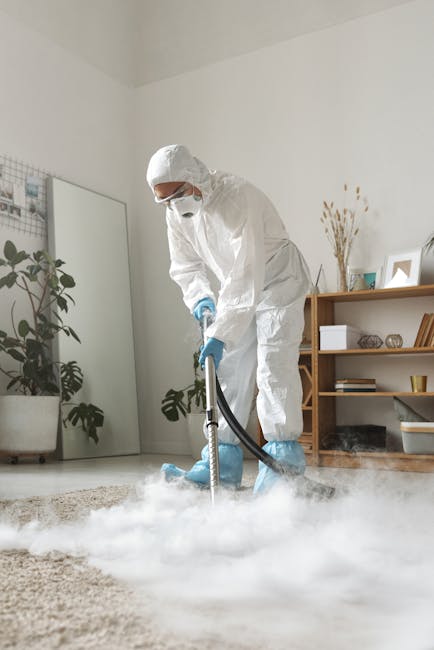
If you have been trying to compare commercial cleaning quotes in Harrow, you will already know the awkward part is not choosing a mop and bucket. It is understanding what the rate actually covers. Commercial cleaning services Harrow business rates explained means more than just a price per hour; it means knowing how site size, cleaning frequency, risk level, and service scope all affect what you pay. That matters whether you run an office, manage a shopfront, or oversee a mixed-use premises near the busy parts of town. Let's break it down clearly, without the sales fluff.
This guide explains how commercial cleaning rates are usually structured, what drives them up or down, and how to compare quotes properly so you do not end up paying for things you do not need. You will also find a practical step-by-step approach, a checklist, and a few plain-English examples that make the numbers easier to judge. To be fair, pricing can feel a bit slippery at first. Once you know what to look for, it becomes much less mysterious.
Why Commercial cleaning services Harrow business rates explained Matters
Commercial cleaning is not priced like a one-off household tidy-up. A business premises has different standards, different traffic levels, and often different expectations around hygiene, presentation, and security. If you are comparing office cleaning in Harrow, the rate tells you whether the service is built around daily upkeep, periodic deep cleaning, or a hybrid model. It also gives you a way to check if the proposal is realistic.
That is important because the cheapest quote is not always the best value. A low headline rate can hide limits: fewer visits, smaller teams, weaker equipment, or extra charges for washrooms, high-touch points, or out-of-hours access. On the other hand, a premium rate may be fair if it includes specialist methods, supervision, or a more reliable schedule. You want clarity, not surprises. Nobody enjoys that awkward email halfway through the month saying the invoice has grown again.
In a local Harrow setting, this matters even more because businesses often work around tight opening hours, shared buildings, customer-facing entrances, and fairly busy footfall. A cleaning schedule needs to fit the site, not the other way round. If you also need broader premises support, it can help to look at a full cleaning company rather than a very narrow service, simply because coordination tends to be easier.
How Commercial cleaning services Harrow business rates explained Works
Most commercial cleaning rates are built from a few core ingredients. The final number is usually shaped by the time needed, the type of work, the number of rooms or zones, and how often the cleaners attend. Some providers quote by the hour, others by the visit, and some by the square footage or by a fixed contract fee. There is no single formula, which is why comparing like for like is so useful.
Here is the simplest way to think about it: the more predictable the job, the easier it is to price. A small office that needs routine vacuuming, bin emptying, dusting, and washroom refreshes will usually be easier to quote than a site with multiple floors, shared kitchen areas, heavy visitor traffic, and specialist flooring. If you need periodic maintenance for floors, pairing routine work with hard floor cleaning can change the rate, but it may also improve long-term appearance and reduce wear. That is the trade-off.
What usually affects the rate
- Size of the premises: More square footage usually means more labour and more time.
- Frequency: Daily cleaning often brings a different rate structure from weekly or monthly visits.
- Type of premises: Offices, clinics, retail units, and communal spaces can all carry different cleaning demands.
- Condition of the site: A well-maintained premises is quicker to clean than one that needs catching up.
- Specialist tasks: Window cleaning, deep sanitation, upholstery care, or post-refurbishment work may cost more.
- Access arrangements: Out-of-hours work, keyholding, security checks, or limited parking can affect labour time.
In practice, many businesses end up choosing a combination: routine upkeep for everyday standards, plus occasional deeper work for the places people notice most. If your reception area or meeting room furniture takes a beating, you may also need services like upholstery cleaning or sofa cleaning to keep things looking professional. That is usually easier than trying to solve everything with one generic visit.
How quotes are normally structured
A proper quote should make it obvious what is included and what is optional. In a decent proposal you should expect to see:
- the frequency of visits
- the hours covered or estimated time per visit
- the tasks included in each clean
- any specialist treatments or consumables
- extra costs for ad hoc jobs
- the length of the contract, if any
One thing many people miss: the rate can be fair even if it looks higher, provided the scope is broader. A lower price with hidden exclusions is rarely a bargain. It is just a smaller number on the page.
Key Benefits and Practical Advantages
Once you understand the rate structure, the benefits of commercial cleaning become much easier to judge. This is not just about having a shiny floor and a nice smell in the corridor, though those help. It is about reliability, consistency, and protecting your premises from avoidable wear.
- Cleaner first impressions: Clients and visitors notice clean entrances, tidy desks, and fresh washrooms straight away.
- Better consistency: A scheduled commercial service keeps standards steady instead of drifting up and down.
- Reduced internal workload: Staff can focus on their actual jobs instead of taking turns with bins and spills.
- Lower risk of issues building up: Routine cleaning helps prevent grime from hardening, odours lingering, or floors becoming dull.
- More predictable budgeting: Understanding the rate makes monthly planning far easier.
There is also a morale angle. A well-kept workspace tends to feel calmer, and people notice that even if they do not say it out loud. A clean kitchen area at 8:30 on a Monday morning can be the difference between "here we go again" and "right, let's get on with it." Small thing, but not really a small thing.
If your business premises includes windows that shape the whole front-of-house impression, periodic window cleaning can be a smart add-on. It supports the main cleaning contract without forcing a complete reset every time.
Who This Is For and When It Makes Sense
This topic matters to anyone responsible for paying for, approving, or managing commercial cleaning. That includes business owners, office managers, facilities coordinators, landlords, property managers, and tenants with cleaning obligations in their lease terms. If you have ever stared at a quote and wondered whether it is reasonable, this is for you.
It makes sense to invest in a structured cleaning arrangement when:
- the premises is used daily by staff, customers, or the public
- there are shared spaces that need regular upkeep
- you want to avoid ad hoc, last-minute cleaning calls
- presentation and hygiene directly affect your brand
- your team does not have the time or tools to maintain standards properly
Commercial cleaning also makes sense after disruption. For example, if a workspace has been refurbished or had dusty work carried out, a one-off or post-project clean may be better than forcing the normal team to work around debris. In those cases, after builders cleaning is often a better fit than a standard maintenance visit. It is a different job, really.
And if the premises has a wider cleaning mix, perhaps office spaces plus domestic-style common areas, you may find a blend of office cleaning and deep cleaning is the most practical arrangement. Not everything belongs in the same bucket, even if the bucket is very reliable.
Step-by-Step Guidance
If you want to compare commercial cleaning rates properly, use a simple process. It saves time and it stops the conversation drifting into vague promises.
- List the areas that need cleaning. Break the premises into reception, work areas, washrooms, kitchens, stairwells, corridors, and specialist zones.
- Define the standard you expect. Do you need basic maintenance, a deep reset, or a mix of both?
- Set the frequency. Daily, twice weekly, weekly, or ad hoc? The answer changes the cost structure.
- Decide what is included. Ask whether bins, touchpoints, sanitary areas, kitchens, and consumables are part of the package.
- Ask about access and timing. Early morning, evenings, weekends, keyholding, security procedures, and parking all matter.
- Request an itemised quote. The more clearly the scope is split out, the easier it is to compare.
- Check the service safeguards. Insurance, health and safety, and complaints handling are not extras. They are part of the picture.
- Review the contract terms before signing. Look for notice periods, cancellation terms, and any rate review clauses.
One small but useful habit: walk the premises before the quote is finalised. If the cleaner sees the actual footprint, the route through the building, and the troublesome bits around sinks or door handles, the pricing becomes far more realistic. It also reduces those annoying "oh, we thought that area was separate" moments later on.
For businesses that need ongoing support from a regular team, it can be helpful to understand how a broader cleaners service is organised rather than focusing only on the headline hourly figure. Process matters. A lot.
Expert Tips for Better Results
Here is the part people usually wish they had heard sooner. Rates are only useful if they line up with the actual service experience. These tips help you avoid common friction.
- Compare scope before price. Two quotes that look different may actually include very different work.
- Ask what happens on lighter days. Some sites do not need full cleaning every visit. Flexible contracts can save money.
- Make sure consumables are clear. Paper, soap, bin liners, and sanitary items can be included or billed separately.
- Separate routine cleaning from specialist tasks. Things like one-off cleaning are better priced separately from regular maintenance.
- Watch for access delays. A cleaner waiting at reception for 20 minutes is still time being paid for.
- Build in review points. A monthly or quarterly check keeps the contract honest.
If you are managing a site with mixed floor types, ask whether the team can coordinate office cleaners with floor-specific care. That kind of alignment often gives a better end result than buying unrelated jobs in isolation. Simple, but effective.
Expert summary: the best commercial cleaning rate is not the lowest rate, it is the one that cleanly matches your site, your schedule, and your expected standard without hidden extras. If those three things line up, the arrangement usually works much better in the real world.
Common Mistakes to Avoid
Most bad cleaning contracts do not fail because the cleaners are incapable. They fail because the brief was too loose or the quote was too thin. That is a very different problem.
- Choosing on price alone: The cheapest quote often leaves out jobs that matter day to day.
- Not defining the scope: If no one states what is included, confusion follows.
- Forgetting about specialist areas: Kitchens, washrooms, glass, upholstery, and hard floors may need different treatment.
- Ignoring access practicalities: If the team cannot get in smoothly, the service gets expensive fast.
- Skipping insurance checks: You want reassurance that the provider has proper cover in place.
- Not reviewing performance: A contract should be checked, not just signed and forgotten.
There is a slightly awkward truth here: many businesses only notice the weak points after dust starts collecting in the same corner every week. At that stage, the rate is no longer the main issue. The service design is. Catch it early.
Tools, Resources and Recommendations
You do not need complicated software to manage commercial cleaning well. In many cases, a good checklist and a clear schedule are enough. What you do need is a simple way to keep the service measurable.
Useful things to keep on hand include:
- a premises map showing the main cleaning zones
- a task list for daily, weekly, and monthly jobs
- a log for issues, missed tasks, or special requests
- a record of contract terms and review dates
- a note of any cleaning products or materials that must be used or avoided
If you want a straightforward starting point for pricing conversations, it helps to review the provider's pricing and quotes approach before you request a visit. That gives you a sense of how they structure costs and what information they expect from you.
For general trust and operational peace of mind, pages such as health and safety policy, insurance and safety, and payment and security are worth reading. They tell you a lot about how the business handles risk, money, and day-to-day accountability. Plainly put, that matters.
Law, Compliance, Standards, or Best Practice
Commercial cleaning has a practical compliance side, especially where staff safety, chemical handling, and customer premises are concerned. Without pretending every site has the same requirements, a sensible provider should be able to explain how they manage risk, training, equipment use, and site procedures. If they cannot, that is a warning sign.
In the UK, businesses are generally expected to manage cleaning in a way that protects workers, occupants, and visitors. That means suitable methods, safe storage of products, sensible access arrangements, and reasonable care around slips, trips, and other everyday hazards. A clean site should not be a hazardous one. That sounds obvious, but you would be surprised how often the obvious needs saying.
It is also sensible to check how a provider handles sustainability and responsible working practices. If you value lower-waste routines or greener consumables, a provider with a documented recycling and sustainability approach may fit your business values better. On the people side, a public modern slavery statement can also be a reassuring sign that the company takes ethical responsibility seriously.
If a contract includes a service dispute, it is useful to know there is a formal process in place. A clear complaints procedure is not glamorous, but it says a lot about how a business handles the messy bits. And yes, every service business has messy bits now and then. That is just life.
Options, Methods, or Comparison Table
Different pricing methods suit different sites. The right one depends on how predictable the work is and how much variation there is from visit to visit.
| Pricing method | Best for | Advantages | Possible drawback |
|---|---|---|---|
| Hourly rate | Smaller or variable jobs | Easy to understand, flexible | Can be harder to predict monthly spend |
| Per visit / fixed visit rate | Routine office cleaning | Simple budgeting, clear expectations | Scope must be very clearly defined |
| Per square foot / area-based pricing | Larger premises with repeatable layouts | Scales well for bigger sites | May not reflect access or complexity |
| Contract package | Multi-service or long-term arrangements | Good for bundled tasks and planning | Needs careful review to avoid paying for unused extras |
For many Harrow businesses, a contract package is the most practical if the site has regular traffic and repeat tasks. If your premises are smaller or change quite a bit from week to week, hourly or per-visit pricing may be cleaner. Pun intended, sorry.
Case Study or Real-World Example
Picture a small professional office in Harrow with around a dozen staff, a reception area, one kitchen, and two washrooms. The manager wants a tidy, presentable space from Monday to Friday, but does not need a deep scrub every day. The sensible approach is a routine contract covering bins, desks, touchpoints, floors, kitchen surfaces, and washrooms, with periodic add-ons for more detailed work.
At first, the team had been comparing quotes only by the headline number. One provider looked cheaper, but their scope excluded washroom consumables and did not include a proper kitchen reset. Another quote was slightly higher but gave a clearer weekly checklist and a proper review point after the first month. The higher quote turned out to be better value because there were fewer add-on surprises and less internal chasing.
That is a very common pattern. The winning quote is often the one that feels boringly clear. No drama, no guesswork, no last-minute "oh, that is extra" messages. The office manager in this example ended up happier with the steadier option, because the building looked better and the invoicing was much easier to plan around. Not flashy, just sensible.
Practical Checklist
Use this checklist before you approve any commercial cleaning rate.
- Have you listed every area that needs cleaning?
- Is the frequency of visits clearly set out?
- Do you know exactly what tasks are included?
- Are consumables included or charged separately?
- Have specialist tasks been priced separately?
- Is access, security, and timing clearly agreed?
- Does the provider explain insurance and safety arrangements?
- Is there a complaints process and review point?
- Have you compared quotes on the same scope?
- Do the terms allow the service to adjust if your needs change?
If you can tick most of those off, you are in a much stronger position. If not, pause and ask for clarification. It is always easier to sort the detail before work starts.
Conclusion
Commercial cleaning services Harrow business rates explained really comes down to one thing: understanding what you are buying. Once you look beyond the headline price, the real picture becomes clearer. Scope, frequency, access, site condition, and specialist tasks all shape the rate, and they all affect how satisfied you will be with the result.
The best decisions are usually the simplest ones. Ask for a clear quote, match the work to the site, and compare providers on the same terms. That way you avoid the common traps and end up with a cleaner, calmer, more dependable workplace. And honestly, that is worth a lot on a busy week.
Get a free quote today and see how much you can save.
Frequently Asked Questions
What does commercial cleaning rate usually include?
It usually includes labour for the agreed tasks, but the exact scope depends on the contract. Some rates cover routine duties like vacuuming, dusting, bins, and washrooms, while others also include consumables or specialist work. Always check the inclusions line by line.
Is it better to pay hourly or by contract?
It depends on the site. Hourly can suit smaller or variable jobs, while contract pricing is often easier for regular offices or premises with a predictable routine. If the work is stable, a contract is usually simpler to budget for.
Why are some quotes much cheaper than others?
Usually because the scope is different. A cheaper quote may exclude tasks, use fewer visits, or leave out items like consumables, deep cleaning, or out-of-hours attendance. The number alone does not tell the whole story.
How do I know if a cleaning quote is fair?
Compare quotes using the same scope, same schedule, and same expectations. If one provider includes more work or better support, a higher rate may still be fair. Ask for an itemised breakdown so you can compare properly.
Do commercial cleaners in Harrow offer one-off jobs too?
Yes, many do. One-off or project-based cleaning can be useful after events, refurbishments, or seasonal clear-outs. These jobs are usually priced differently from regular maintenance because the work is less predictable.
What should I ask before signing a cleaning contract?
Ask what is included, how often visits happen, how access is handled, whether consumables are included, and what happens if standards slip. You should also check insurance, safety processes, and the notice period for ending the contract.
Can commercial cleaning be tailored to an office with mixed needs?
Yes, and it often should be. A reception area, meeting rooms, kitchens, and washrooms rarely need exactly the same treatment. A tailored plan usually gives a better result than a rigid one-size-fits-all package.
Are specialist services priced separately?
Often, yes. Tasks like window cleaning, hard floor care, upholstery cleaning, or after-builders cleaning may be listed separately from routine maintenance. That is normal and usually the cleanest way to price them.
What if my business needs change mid-contract?
A good provider should be able to review the scope if your needs change, such as more staff, more footfall, or a layout change. It is best to agree review points in advance so adjustments are easier later.
How important is insurance in commercial cleaning?
Very important. If something goes wrong on site, you want to know the provider has suitable cover and sensible procedures. Insurance is not just paperwork; it is part of managing risk properly.
Do I need deep cleaning as well as regular cleaning?
Possibly. Regular cleaning keeps the day-to-day standard up, while deep cleaning deals with the build-up that routine visits do not always reach. Many businesses use both at different times of the year.
Where should I start if I want to compare providers in Harrow?
Start by listing the areas you need cleaned, the frequency, and the standard you expect. Then review a provider's pricing approach, safety information, and general service pages such as about us and contact us if you need a conversation about your premises. A clear brief saves time on both sides.